The Nature of Luck in Gambling
Luck is fundamentally intertwined with the concept of gambling, particularly in casinos, where games are designed to yield unpredictable outcomes. The idea of chance plays a significant role in determining the success of players and the overall gaming experience. While skill and strategies are essential for some games, such as poker and blackjack, most casino games are based on random number generators or mechanical approaches that inherently rely on luck. For those interested in maximizing their chances, nrl betting can offer insights that complement traditional gaming strategies. A single roll of the dice or a spin of the roulette wheel can shift the tide of fortune in an instant, demonstrating how unpredictable luck governs the atmosphere of a casino.
This randomness can be thrilling for players, creating an environment filled with excitement and anticipation. The sheer unpredictability means that players can enjoy a significant win while at the same time facing the possibility of losing everything in a matter of moments. Many players come to casinos with the hope that luck will be on their side, believing that their fortunes could turn with just one lucky card or spin. Thus, luck becomes not just an element of gameplay, but a crucial component of the overall experience, drawing players into a cycle of risk and reward.
Moreover, the psychological aspect of luck cannot be ignored. Players often attribute their successes and failures to luck, which can influence their future betting behaviors. This perception can lead to a phenomenon known as the “gambler’s fallacy,” where individuals believe that past outcomes can influence future results. In essence, a player might feel due for a win after a series of losses, thereby increasing their stakes in hopes of capitalizing on what they perceive as changing luck. This blend of chance and psychology highlights how luck plays a pivotal role in casino success, both for individual players and the industry’s dynamics.
The Role of Randomness in Casino Games
At the heart of every casino game lies randomness, a key factor that keeps players engaged and hopeful. Whether it’s the shuffle of cards, the spinning of a slot machine, or the roll of a dice, randomness creates an atmosphere where every turn is filled with potential. This unpredictability is what differentiates casino games from other forms of entertainment, fostering an exhilarating environment where people can dream of winning big. The understanding that each game is governed by chance makes entering a casino an experience brimming with possibilities.
Casinos harness this randomness to draw players in, often using visually appealing designs and enticing sounds to create an immersive environment. Slot machines, for instance, are engineered to produce random outcomes that can lead to massive jackpots, feeding on the allure of luck. Each spin represents an opportunity for a life-changing moment, which captivates players and encourages them to continue playing. The excitement generated by the prospect of hitting the jackpot adds to the overall experience, enhancing the role of luck in a player’s journey.

Additionally, the house edge is a critical concept that illustrates the balance between luck and casino profitability. While luck can favor players in the short term, over time, the odds are structured to ensure that the casino remains profitable. This dynamic dance between player luck and the casino’s mathematical advantage creates a compelling narrative where luck plays a double role—one of exhilarating wins and inevitable losses. It highlights the transient nature of success in gambling, making every win feel momentous while reinforcing the reality that the casino holds the ultimate advantage.
The Impact of Psychological Factors
Luck is accompanied by a range of psychological factors that influence player behavior and perception within a casino. The belief in luck often leads players to engage in rituals or superstitions, hoping to sway fortune in their favor. Whether it’s wearing a lucky charm, performing a specific action before a game, or believing in lucky numbers, players often seek to gain a psychological edge. These behaviors reflect the deep-seated connection between luck and personal belief systems, making the casino experience as much about mindset as it is about chance.
The excitement of potential winnings can also trigger cognitive biases and emotional responses, affecting how players make decisions. For instance, the closer a player comes to a win, the more likely they are to attribute future success to luck, which might drive them to take more risks. This relationship can create a cycle where hope and excitement amplify the perception of luck, leading to increased wagers and deeper engagement with the games. Understanding these psychological factors can help players navigate their experiences and recognize the influence of luck on their sentiments toward gambling.
Furthermore, the casino environment itself capitalizes on these psychological aspects by creating elements that enhance feelings of luck and fortune. Bright lights, engaging sounds, and celebratory events when players win serve to reinforce the belief in luck. This tactical design keeps players hopeful and invested, driving them to return for more experiences. The convergence of psychological factors and the belief in luck thus creates a potent mix that directly impacts a player’s perception of success within the casino, blurring the line between chance and choice.
Strategies to Enhance Luck in Gambling
Although luck is largely a random factor in casino gaming, some players believe they can enhance their luck through various strategies and practices. While the effectiveness of such strategies is often debated, they reflect the human desire to regain a sense of control over outcomes. For instance, players may choose specific times to visit a casino, aligning their visits with personal experiences or events they associate with positive outcomes. This practice is rooted in the hope that favorable circumstances can create a more auspicious environment for luck to thrive.
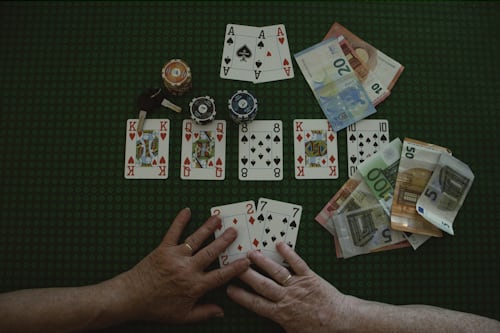
Additionally, selecting certain games can also be seen as a strategy to increase luck. Players might gravitate towards games they feel they understand better or have had success with in the past. For example, someone who has a history of winning at blackjack may choose to play that game in hopes of repeating their lucky streak. This selective behavior highlights the interplay between past experiences and the perception of luck, leading players to believe that their history can improve their current fortunes.
Moreover, managing one’s bankroll is an essential strategy that can indirectly affect one’s experience of luck. By setting limits and being prudent about their wagers, players can extend their gaming sessions and increase their chances of encountering winning moments. This approach not only allows for a more enjoyable experience but also reinforces the idea that players can influence their luck by making thoughtful decisions. Ultimately, these strategies create a multifaceted discussion around how luck, while inherently random, can feel more tangible when intertwined with personal agency and behavior in a casino setting.
Exploring Further Resources on Luck and Casino Success
For those intrigued by the complex relationship between luck and casino success, numerous resources are available that delve deeper into these themes. From books and articles to podcasts and online forums, the exploration of luck in gambling psychology offers insightful perspectives. These resources can help players understand the dynamics of luck, strategies for gameplay, and the psychological factors influencing their gambling choices. By engaging with these materials, players can enhance their understanding and approaches to luck in the gaming world.
Furthermore, online communities and support groups often provide platforms for sharing experiences and advice, fostering discussions around luck and strategy. Engaging with others who have had similar experiences can yield new insights and tips for navigating the unpredictable nature of gambling. Such exchanges not only enhance one’s understanding of luck but also promote responsible gambling practices, ensuring that players can enjoy their experiences without falling prey to harmful behaviors.
Ultimately, the interplay between luck and casino success is a topic rich with exploration possibilities. As players seek to uncover the secrets of good fortune, the blend of chance, psychology, and strategic thinking can provide a comprehensive view of what it means to succeed in a casino environment. Embracing this multifaceted landscape allows for a more fulfilling and informed gaming experience, paving the way for a balanced approach to luck and gambling success.