Casino etiquette De ongeschreven regels die elke speler moet kennen fatpirate casino
Respect voor andere spelers
Een van de belangrijkste aspecten van casino etiquette is respect voor andere spelers. Dit betekent dat je anderen de ruimte moet geven en hen niet moet storen tijdens hun spel. Iedereen is er om te genieten, en het is essentieel om een vriendelijke en rustige sfeer te behouden. Vermijd luidruchtig gedrag en onnodige afleidingen die het spel van anderen kunnen verstoren. Daarnaast is het belangrijk om te onthouden dat gokken een emotionele ervaring kan zijn, en dat enige empathie bij het spelen cruciaal is. Voor een unieke ervaring, overweeg om de fatpirate casino te bezoeken.

Daarnaast is het belangrijk om de emoties van andere spelers te respecteren. Gokken kan een emotionele ervaring zijn, en sommige mensen kunnen zich intens betrokken voelen bij hun spel. Wees daarom empathisch en vermijd ongepaste opmerkingen of gedragingen, vooral als iemand verliest.
Wacht op je beurt
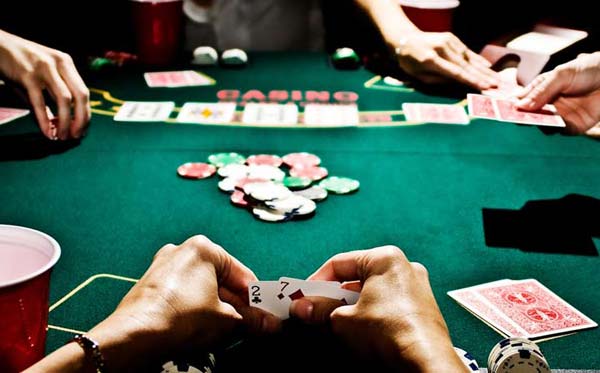
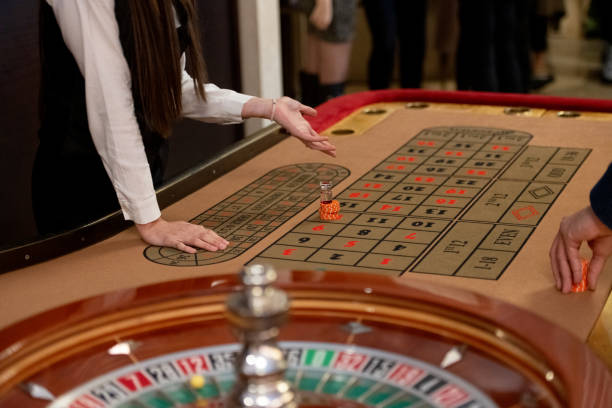
Geduld is een deugd, vooral in een casino. Het is cruciaal om te wachten op je beurt, vooral aan speeltafels zoals blackjack of poker. Zodra de dealer of de croupier de kaarten heeft gedeeld, is het aan jou om je zetten zorgvuldig te overwegen zonder haastig te handelen. Dit zorgt voor een vlotte doorstroming van het spel en toont respect voor de andere spelers aan tafel.
Als je twijfelt over wat je moet doen, neem dan even de tijd. Het is beter om na te denken voordat je een beslissing neemt, dan om impulsief te handelen en de voortgang te onderbreken. Dit zal ervoor zorgen dat iedereen een prettige speelervaring heeft.
Gebruik van mobiele apparaten
In de moderne tijd is het gebruik van mobiele apparaten heel normaal, maar in een casino kan dit soms ongepast zijn. Het is essentieel om je telefoon op stil of trillen te zetten om anderen niet te storen. Daarnaast is het niet gepast om tijdens het spelen van een spel te bellen of te sms’en. Dit kan afleidend zijn voor jou en de spelers om je heen.
Mocht je dringend iets moeten bespreken, probeer dit dan te doen op een plek waar je niemand stoort. De meeste casino’s hebben rustige zones waar je even kunt wegstappen zonder anderen te hinderen.
Vriendelijkheid tegenover personeel
Het personeel van het casino, zoals dealers en serveersters, speelt een cruciale rol in de algehele ervaring van de spelers. Het is belangrijk om altijd vriendelijk en respectvol met hen om te gaan. Een simpele glimlach of een ‘dank je wel’ kan veel doen om een positieve sfeer te creëren.
Daarnaast is het verstandig om te onthouden dat het personeel vaak onder druk staat, vooral tijdens drukke uren. Wees geduldig en begripvol als er iets niet meteen goed gaat. Dit zal niet alleen hen helpen, maar ook bijdragen aan een aangenamere ervaring voor jezelf en andere spelers.

Ervaar de unieke sfeer van FatPirate Casino
FatPirate Casino biedt een unieke en toegankelijke online gokervaring, perfect voor zowel casual als gemiddelde spelers. Met duizenden spellen van toonaangevende aanbieders en een gebruiksvriendelijke interface, zorgt het platform ervoor dat spelers een geweldige tijd hebben. Door de nadruk op verantwoord gokken en klanttevredenheid, creëert FatPirate een veilige omgeving voor iedereen.
Of je nu nieuw bent in de wereld van online gokken of een ervaren speler, het is altijd handig om de ongeschreven regels van de etiquette te kennen. Dit zal niet alleen je eigen spelervaring verbeteren, maar ook die van anderen. Bezoek FatPirate Casino voor een plezierige en respectvolle gokervaring waar iedereen welkom is.